
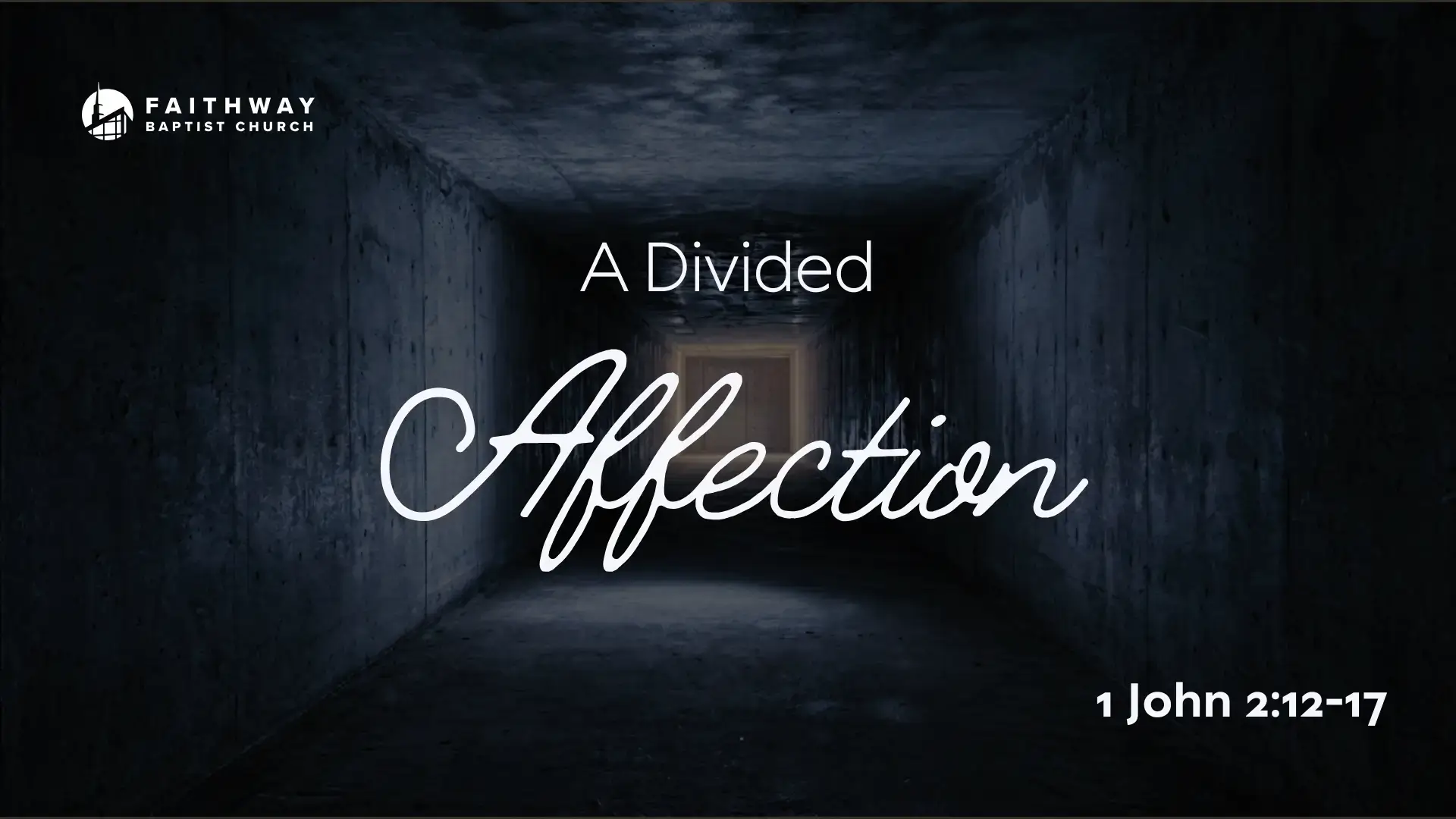
In this passage from 1 John, the apostle addresses believers at various stages of spiritual maturity, reminding them of their identity in Christ and calling them to undivided devotion. As Christians, we often underestimate the subtle pull of the world. Worldliness rarely bursts through the front door. Instead, it quietly moves into the spare room, drawing our hearts away one desire at a time. John challenges us to examine where our deepest affections lie and to live with eternity in view.
Remember Who You Are in Christ (vs. 12-14)
As Christians, our choices flow from a settled identity in Jesus Christ. The apostle John begins not with guilt or fear, but with a powerful reminder of who we are. He writes:
“I write unto you, little children, because your sins are forgiven you for his name’s sake. I write unto you, fathers, because ye have known him that is from the beginning. I write unto you, young men, because ye have overcome the wicked one. I write unto you, little children, because ye have known the Father. I have written unto you, fathers, because ye have known him that is from the beginning. I have written unto you, young men, because ye are strong, and the word of God abideth in you, and ye have overcome the wicked one.” (1 John 2:12-14, KJV)
These verses address believers across different stages of spiritual growth: little children, young men, and fathers. What unites them is their connection to Christ through the forgiveness of sins, intimate knowledge of God, victory over the wicked one, and the abiding presence of God’s Word.
Just as a Canadian citizen would never disrespect the national flag or anthem out of loyalty to their identity, our settled identity in Christ should shape every decision. Professional athletes know their positions on the field, and that knowledge guides their actions. In the same way, remembering who we are in Christ equips us to resist competing affections. We already possess everything we need in Him. When the world offers satisfaction, status, or approval, we can respond confidently because our sins are forgiven, we know the Father, and the Word of God abides in us.
Identity must come before resistance. A believer who forgets this reality becomes vulnerable to the world’s invitations. Our deepest sense of self should not be tied to a job title, education, family image, appearance, or achievements, but to the truth that we are children of God whose names are written in heaven.
Refuse What Competes for Your Heart (vs. 15-16)
With our identity firmly established, John issues a clear command:
“Love not the world, neither the things that are in the world. If any man love the world, the love of the Father is not in him. For all that is in the world, the lust of the flesh, and the lust of the eyes, and the pride of life, is not of the Father, but is of the world.” (1 John 2:15-16, KJV)
Here, “the world” refers to the value system and desires opposed to God, not to people or the responsibility to engage society. Love for the world and love for the Father cannot coexist peacefully in the same heart. The more affection we give to worldly things, the less room remains for God.
John identifies three avenues of temptation: the lust of the flesh (immediate bodily appetites), the lust of the eyes (covetousness awakened by what we see), and the pride of life (boastful self-sufficiency). These mirror the temptations faced by Eve in the Garden of Eden and by Jesus in the wilderness. Victory comes not through willpower alone, but through the Word of God abiding in us.
In our daily lives, this may appear as the pursuit of comfort, career advancement at any cost, social acceptance, or providing every opportunity for our children according to worldly standards. Yet John warns that loving the world crowds out love for the Father. We cannot claim loyalty to Christ while actively embracing what opposes Him. Our choices must reflect our identity as children of God.
Live For What Will Last Forever (vs. 17)
John concludes with the reality of permanence:
“And the world passeth away, and the lust thereof: but he that doeth the will of God abideth for ever.” (1 John 2:17, KJV)
Everything the world offers is temporary. Possessions, status, pleasures, applause, and even great achievements will fade. The world and its desires are passing away, but those who do the will of God remain forever.
This perspective should shape how we raise our families, pursue our careers, and make daily decisions. Rather than trading eternal value for momentary satisfaction, like Esau who sold his birthright for a bowl of stew, we invest in what endures. Jim Elliot captured this truth well: “He is no fool who gives what he cannot keep to gain that which he cannot lose.”
As parents, we pray for our children to live not merely for success in this life, but for what matters to God for eternity. Whether in business, medicine, education, or any other field, our lives should count for the kingdom. Jesus is coming soon. Today is the day of salvation and the day to align our affections fully with Him.
Conclusion
The Christian life calls for undivided affection. By remembering who we are in Christ, refusing what competes for our hearts, and living for what lasts forever, we experience the joy and assurance of walking with God. May we examine our lives honestly and choose this day to love the Father above all else. If you have never trusted Jesus Christ as your Saviour, turn to Him today. He offers forgiveness and a lasting relationship that nothing in this world can match. Let us live as those whose hearts belong wholly to Him.